
Brown or Rusty Hot Water
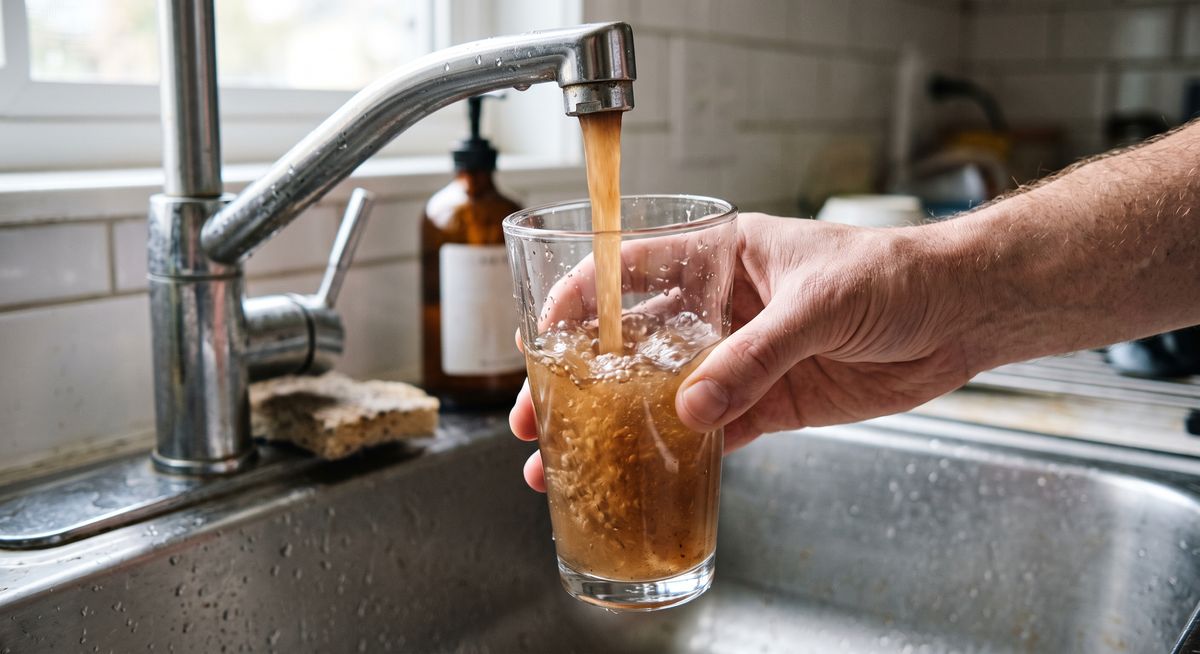
Brown hot water usually means sediment, a failing anode rod, or corroding pipes — and only one of those three is actually urgent.
Brown hot water usually means sediment, a failing anode rod, or corroding pipes — and only one of those three is actually urgent.
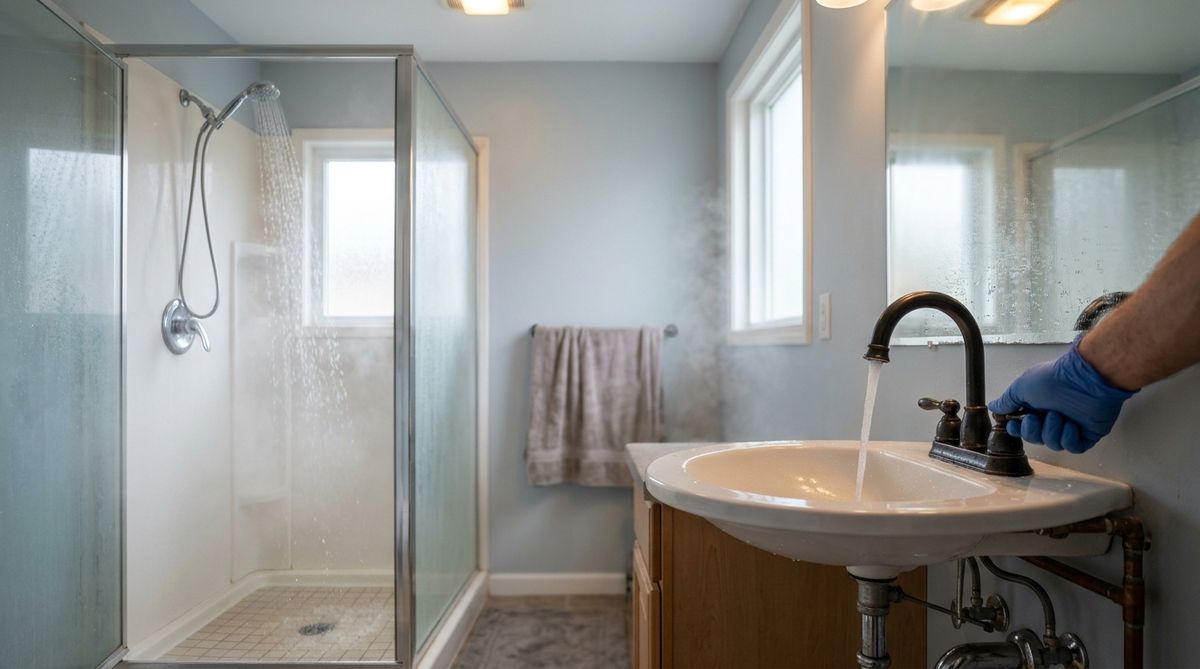
That burst of cold water between two hot spells on a tankless unit has a name — cold water sandwich — and a handful of real fixes.
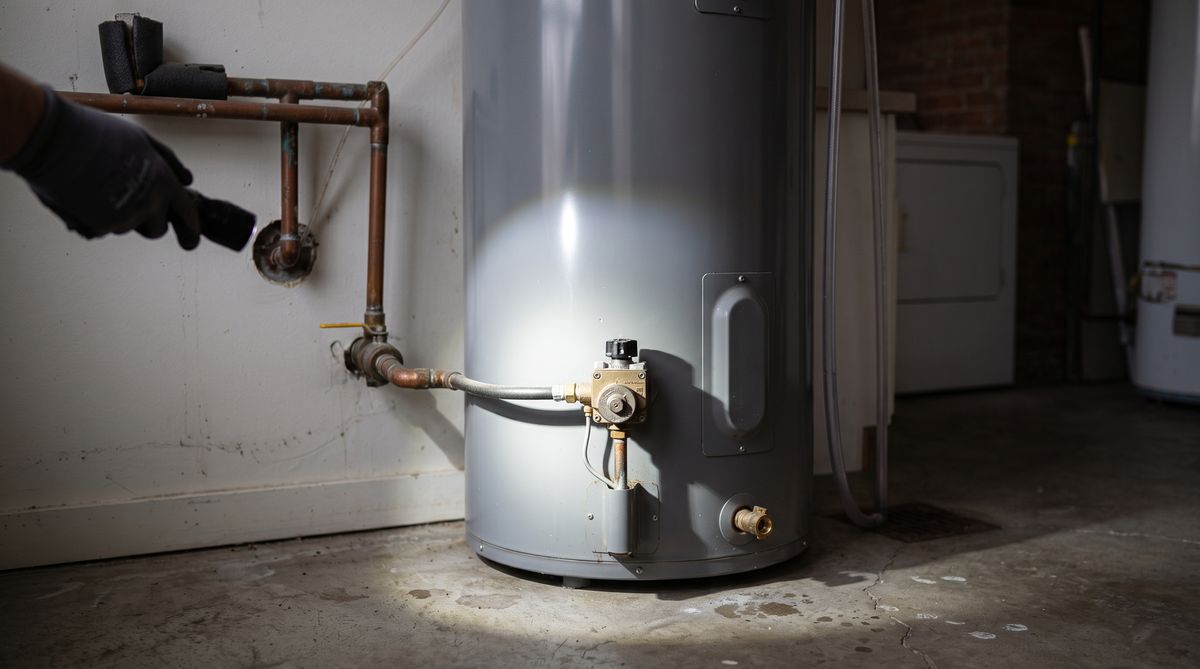
A sulfur smell in hot water (but not cold) almost always points to the anode rod reacting with bacteria in the tank. Here’s the fix.
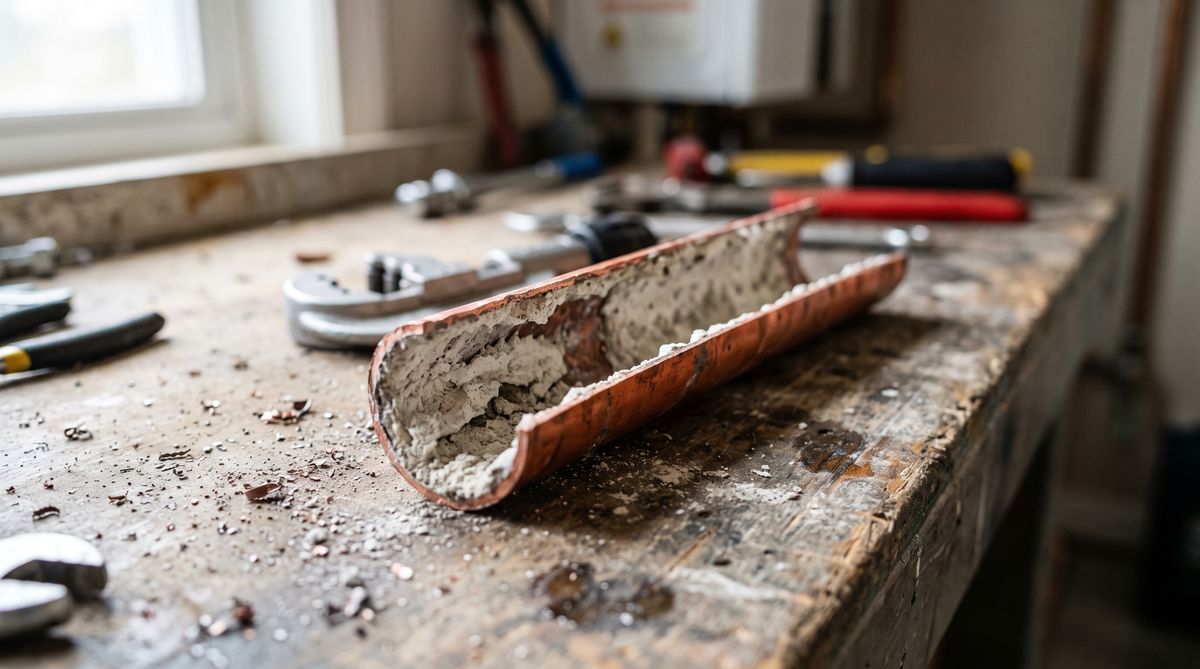
Popping, rumbling, humming, or a high-pitched whine — each sound points to a different cause. Here’s how to tell them apart.
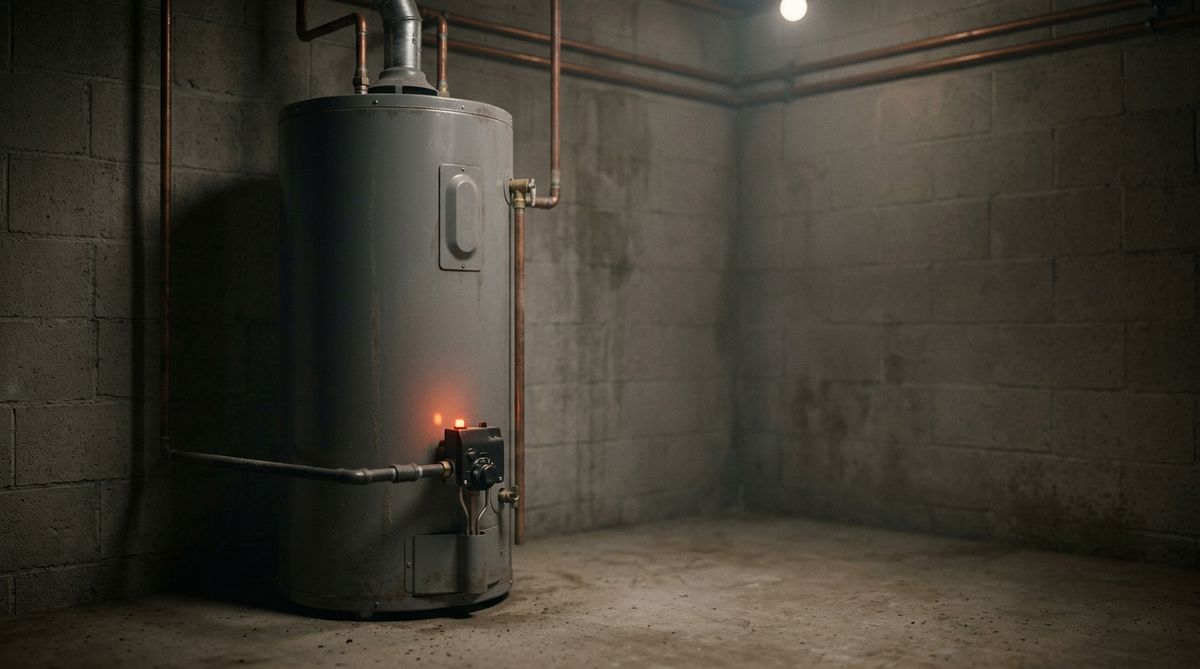
A pilot that lights, then goes out the moment you release the knob, almost always means a dirty or failed thermocouple. Here’s the fix.
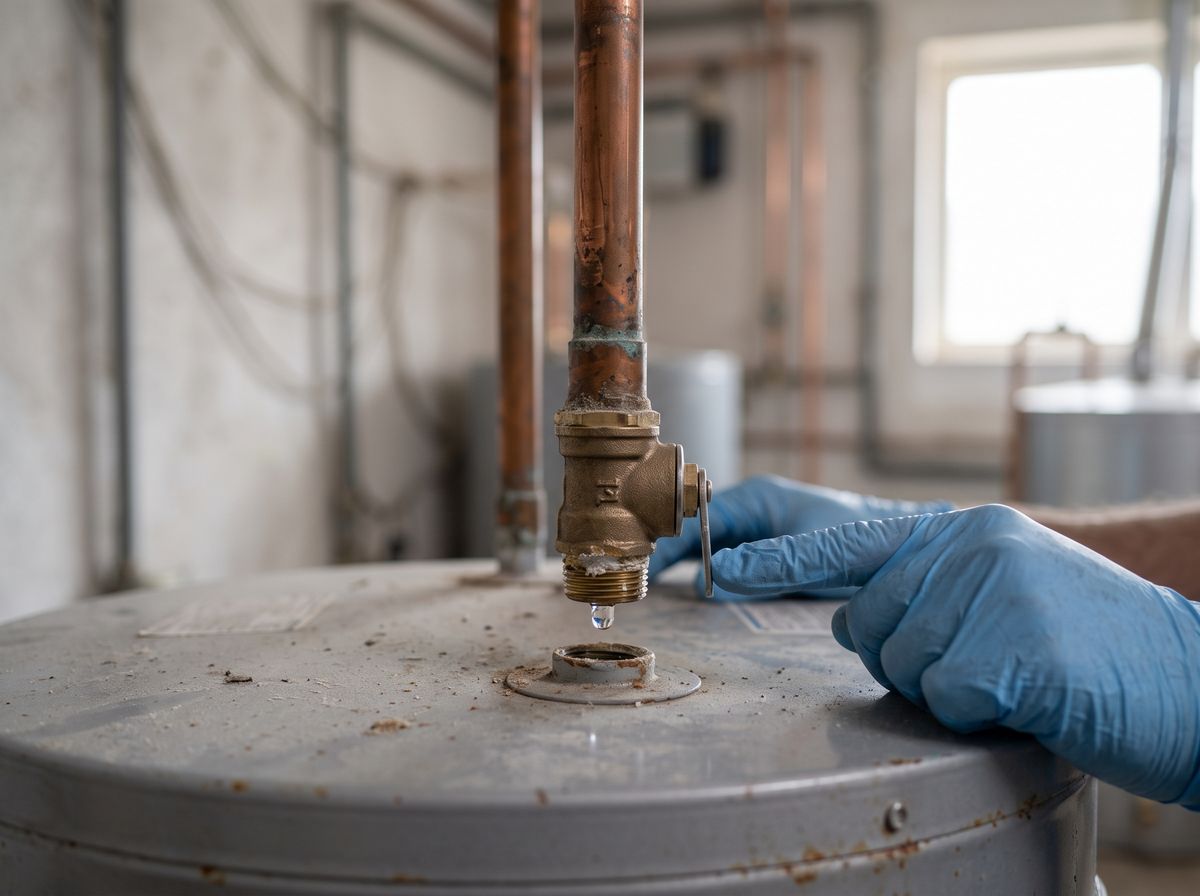
A dripping T&P valve is either doing its job or failing. Here’s how to test which, and why you should never plug it.
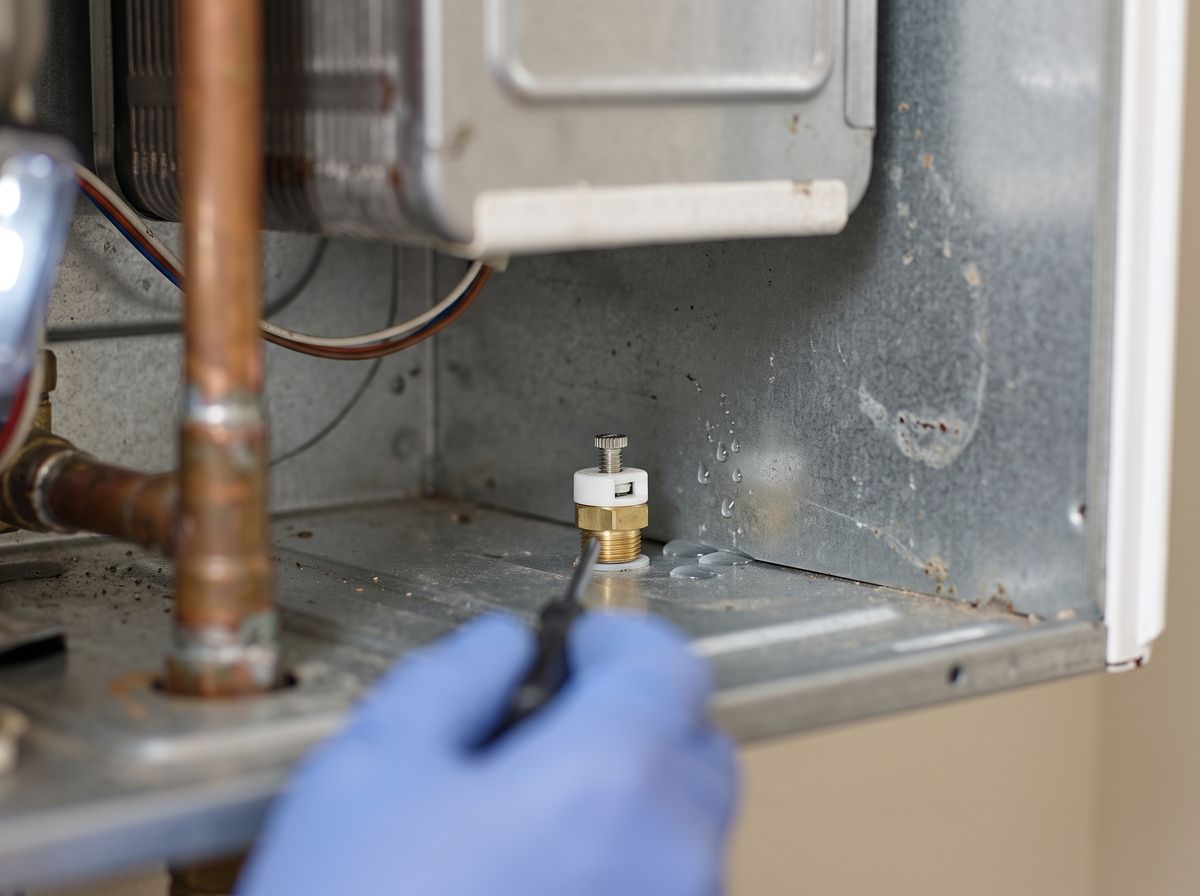
A top leak usually points to the T&P valve, the anode rod access plug, or the inlet/outlet fittings. Here’s how to narrow it down.
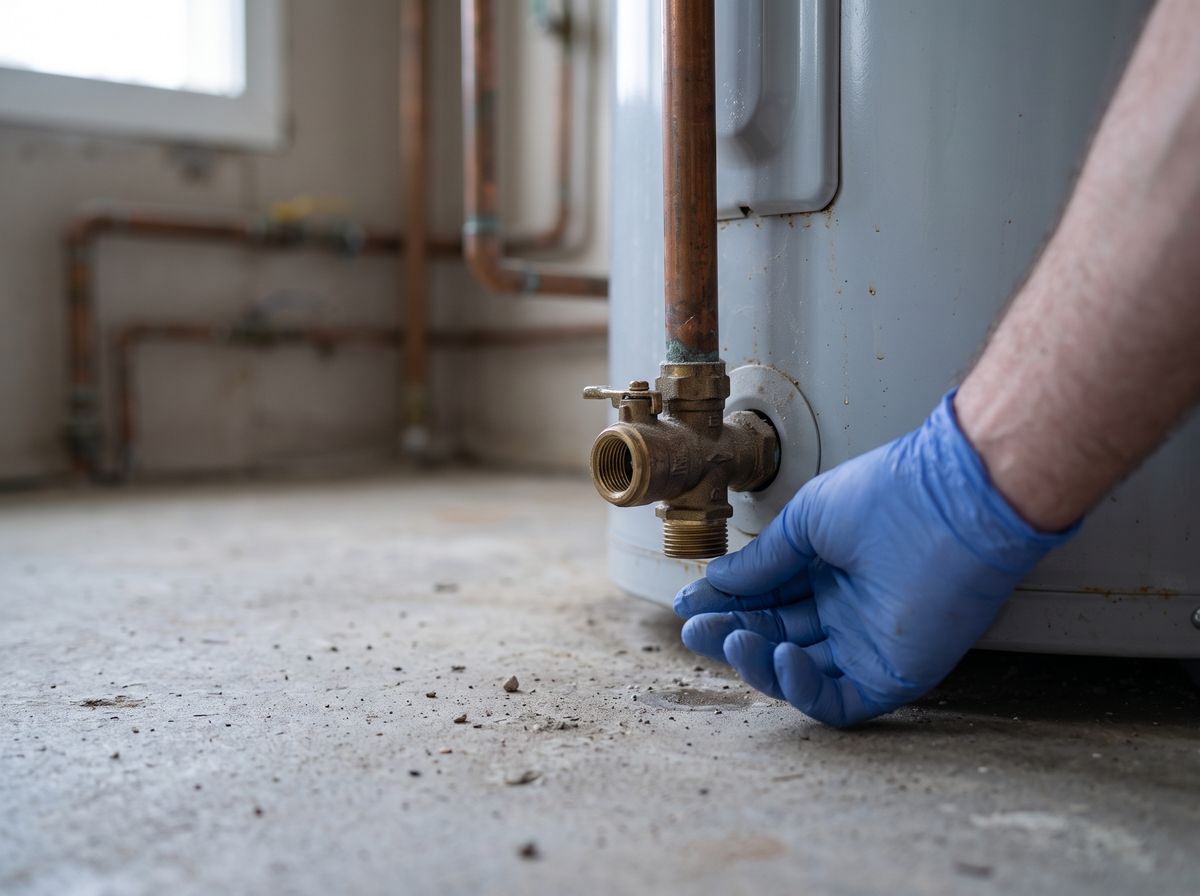
A bottom leak usually means the drain valve, a loose fitting, or a corroded tank. Here’s how to tell which — and what each one means for your budget.
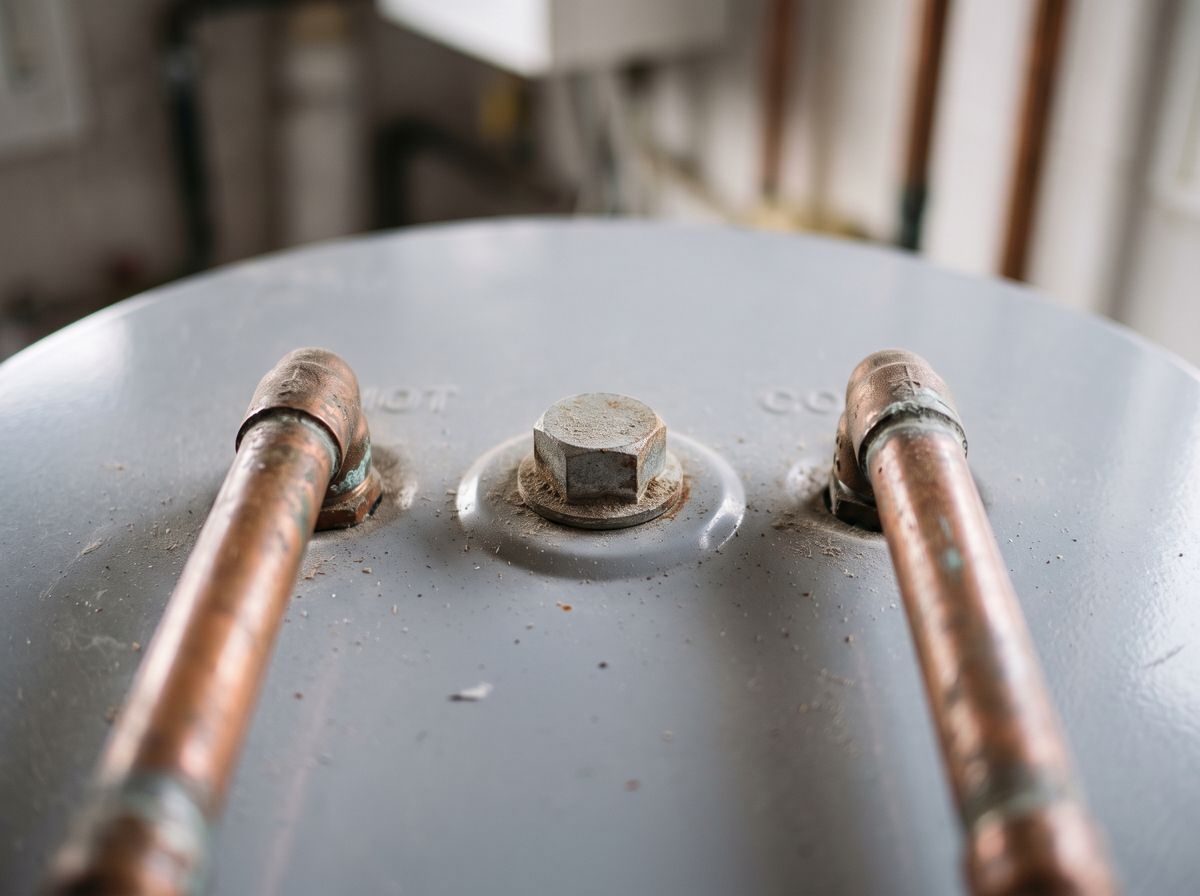
Where the water is coming from tells you what’s wrong. Use this leak-location guide before you call anyone — and know when to shut off water and power right now.
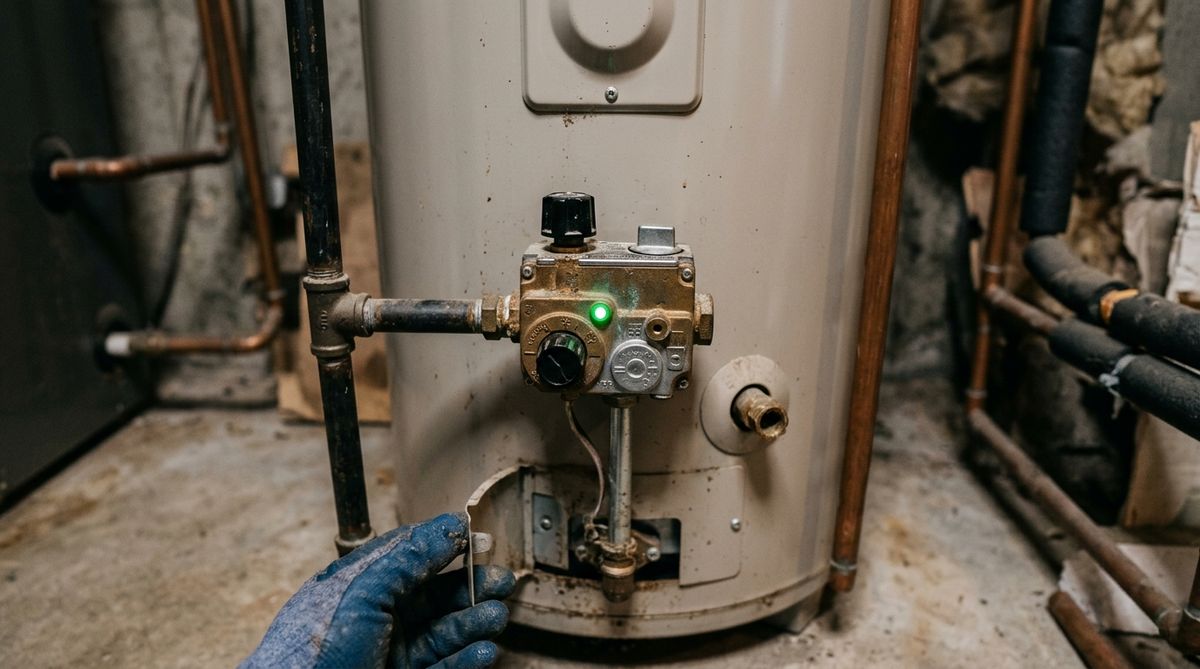
Tankless unit giving zero hot water? Check these in order before calling for service — most causes are simple and fixable in minutes.